Transform Your Home: Innovative Ideas for Remarkable Home Additions
Renovating a home through well-considered additions can meaningfully elevate both its usability and overall appearance. From light-filled sunrooms that embrace the outdoors to expansive decks perfect for entertaining, the options are plentiful. Enlarging essential spaces, such as kitchens, encourages togetherness, while a dedicated garage can eliminate storage problems. Understanding essential design elements and effective planning is vital. Yet, what genuinely motivates homeowners to pursue these improvements? The answer rests in the remarkable impact of expertly completed home additions.
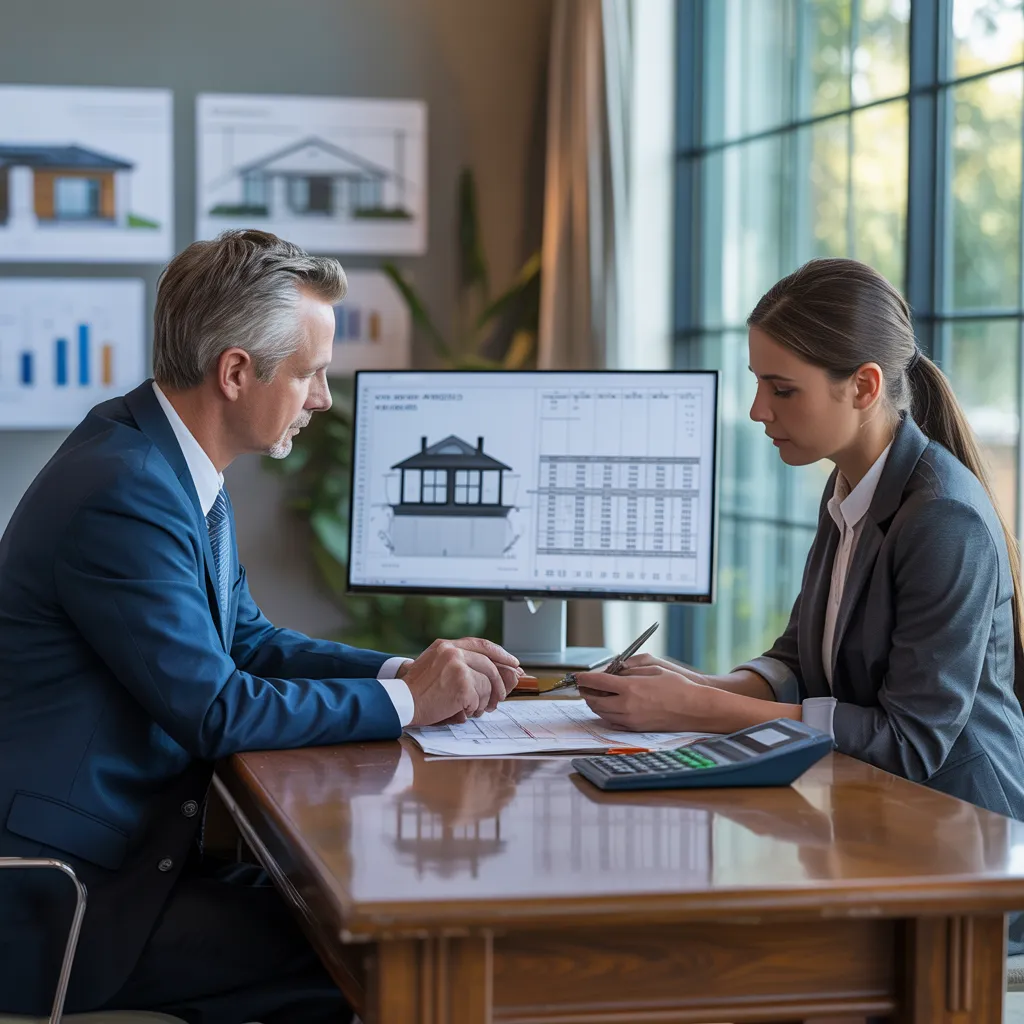
Browse Popular Home Addition Concepts to Reinvent Your Space
Many homeowners actively pursue unique approaches to upgrade their homes, and examining well-known home expansion options can deliver meaningful changes. A commonly preferred selection is the installation of a sunroom, which introduces abundant natural light while establishing a peaceful retreat for unwinding. Another appealing choice is a deck or patio, extending the living area outdoors and perfect for entertaining.
Homeowners can also explore enlarging their kitchen spaces, rendering them more practical and welcoming. Adding a garage not only provides additional storage space but may also be used as a dedicated workspace or hobby area.
For homeowners requiring extra sleeping spaces, expanding the bedroom space can deliver the privacy and comfort needed. Additionally, transforming attics or basements into functional living areas offers a chance for innovative design while making the most of existing square footage. All of these concepts carry the potential to improve both practicality and visual appeal, ultimately turning a home into a more pleasant living space.
Why Home Additions Can Boost Your Lifestyle?
Home additions can significantly improve living space, offering families the opportunity to grow and adapt. Additionally, adding to a home can result in greater property value, making it a sound investment. In addition, these additions often foster deeper family connections by creating shared areas for activities and gatherings.
Upgrade Living Space
Enlarging a living space through home expansions can markedly transform one's daily life by delivering greater convenience and ease. For families, additional rooms can address evolving needs, such as a playroom for children or a private workspace for remote work. A carefully planned addition can develop a smooth connection between interior and exterior areas, promoting relaxation and social interaction. Moreover, including elements like large windows or open floor plans encourages a sense of spaciousness and natural connection. Upgraded home spaces also allow for customized design decisions, reflecting individual tastes and preferences. In summary, residential additions not only optimize existing areas but also create environments that promote well-being and improve daily living experiences.
Raise Property Value
Putting money into property additions can substantially boost a home's market worth, making it a smart investment choice. By expanding square footage or introducing useful living zones, property owners can draw in prospective buyers and increase resale prices. Features such as new bedrooms, contemporary kitchens, or multipurpose living areas regularly produce substantial returns. Furthermore, enhancements like sunrooms or decks not only improve aesthetics but also appeal to lifestyle desires, additionally increasing appeal. A well-planned addition can convert a property into a higher-value investment, aligning with present market demands and purchaser expectations. Overall, purposeful residential additions serve as a smart approach to enhancing overall property value while elevating the quality of life for present homeowners.
Build Family Relationships
A thoughtfully crafted addition can greatly enhance family bonds by establishing spaces that promote interaction and closeness. Open-plan floor plans, such as family rooms or generous kitchens, act as hubs for communal activities, nurturing communication and connection. Designated areas for hobbies or playrooms give children a place to engage, while adults can benefit from nearby social spaces. Additionally, integrating outdoor living spaces, like patios or decks, allows families to gather in a welcoming environment. These improvements not only encourage everyday bonds but also create a backdrop for cherished gatherings and celebrations. In the end, carefully considered home additions transform living environments into supportive spaces that reinforce family ties, elevating overall quality of life.
Important Design Elements to Elevate Your Home Addition
When homeowners consider a home addition, incorporating key design components can greatly improve both visual appeal and practicality. Key elements include natural light, which can be accomplished using large windows or skylights, producing a warm and welcoming environment. Furthermore, an open floor plan encourages smooth transition between existing and new areas, establishing an atmosphere of harmony.
Combining matching materials and hues assures the new addition blends seamlessly with the existing structure, sustaining architectural integrity. Careful positioning of furniture and installations enhances practicality, making the space practical for everyday life. Connections to outdoor spaces, for example a patio or deck, serve to enlarge living spaces and inspire outdoor engagement. Ultimately, energy-efficient designs, utilizing effective insulation and responsible materials, support lasting savings and ecological mindfulness. By prioritizing these key design components, homeowners website may establish a seamless and appealing addition that transforms their living experience.
Effectively Plan Your Home Addition Project
Effective planning is vital for a successful home addition endeavor. Homeowners ought to start by identifying their priorities, whether it's expanding their living area, enhancing functionality, or elevating the property's worth. Creating a solid vision assists in directing the construction and design journey. Furthermore, investigating local building codes and zoning regulations is essential to guarantee compliance and avoid potential setbacks.
Building a timeline that details every stage of the project assists in maintaining focus and commitment. Homeowners should also consider consulting experts, including contractors or architects, to gain expert recommendations and keep the project on track.
Additionally, prioritizing team member communication encourages teamwork and resolves challenges in a timely manner. As a final consideration, keeping an eye on future needs can aid in designing an addition that remains functional over time. Through implementing these strategies, homeowners can approach their home addition endeavors with increased certainty and focus.
Financial Planning for Your Home Addition: Must-Know Tips
Creating a budget for a home addition requires careful consideration and planning to avoid unexpected expenses. Homeowners ought to start by establishing a practical budget that encompasses all components of the project, such as permits, materials, labor, and unexpected costs. It is advisable to allocate an additional 10-20% of the total budget for unforeseen situations.
Researching and comparing costs from various contractors can provide valuable insights and help in making informed decisions. Furthermore, homeowners should prioritize their needs versus wants, ensuring that essential features are included while remaining within budget.
Establishing a thorough timeline can aid in synchronizing costs with project phases, reducing monetary pressure. Finally, seeking guidance from a financial advisor or a building expert can provide further clarity on potential costs and financing options, making certain that the budget remains manageable throughout the home addition process. This calculated method contributes to a successful and financially sound residential expansion.
Real-Life Home Addition Projects That Will Inspire You
Captivating home addition makeovers highlight the remarkable potential of home interiors. One standout case is a quaint single-story home that underwent a remarkable transformation with a contemporary, stylish annex. By including a expansive kitchen and entertaining area, the homeowners improved their cooking experience while creating a welcoming gathering space for loved ones and guests.
One notable transformation showcases a small residence that grew upward with a delightful loft, optimizing the area while adding a comfortable reading corner. This smart architectural choice not only added functionality but also brought personality to the space.
At last, a single-story suburban home adopted a modern style with a fully glazed sunroom, filling the interior with an abundance of natural light and offering stunning views of the backyard garden.
These real-world transformations showcase the diverse possibilities for home additions, inspiring homeowners to envision their own unique enhancements and reimagine their home surroundings.
Commonly Asked Questions
What Permits Do I Need for a Home Addition Project?
For a home addition project, homeowners generally require a construction permit, zoning clearance, and in some cases additional electrical or plumbing authorizations. Building codes and regulations vary by location, so consulting with municipal authorities is essential to ensure all requirements are met.
How Much Time Does a Standard Home Addition Usually Take?
A standard home addition generally takes two to six months to be completed, depending on factors such as permits, size, complexity, and weather conditions. Proper planning and contractor efficiency can influence the timeline considerably.
Can I Continue Living in My Home Throughout the Addition Process?
In most cases, homeowners can frequently remain in their homes during the addition process. However, factors like the scale of the project, construction location, and sound levels may impact comfort and accessibility, requiring temporary arrangements or modifications during the building process.
What Common Mistakes Should You Avoid When Planning an Addition
Typical pitfalls to steer clear of when planning an addition encompass misjudging the overall budget, neglecting permits, overlooking structural integrity, neglecting to evaluate future demands, and not consulting professionals. Diligent preparation leads to more efficient execution and improved results.
How Should I Go About Choosing the Right Contractor for My Project?
To identify the best contractor, you should investigate experience, check references, and guarantee open communication. Evaluating several estimates and evaluating previous work can assist in identifying reliability and compatibility for the specific home improvement project.